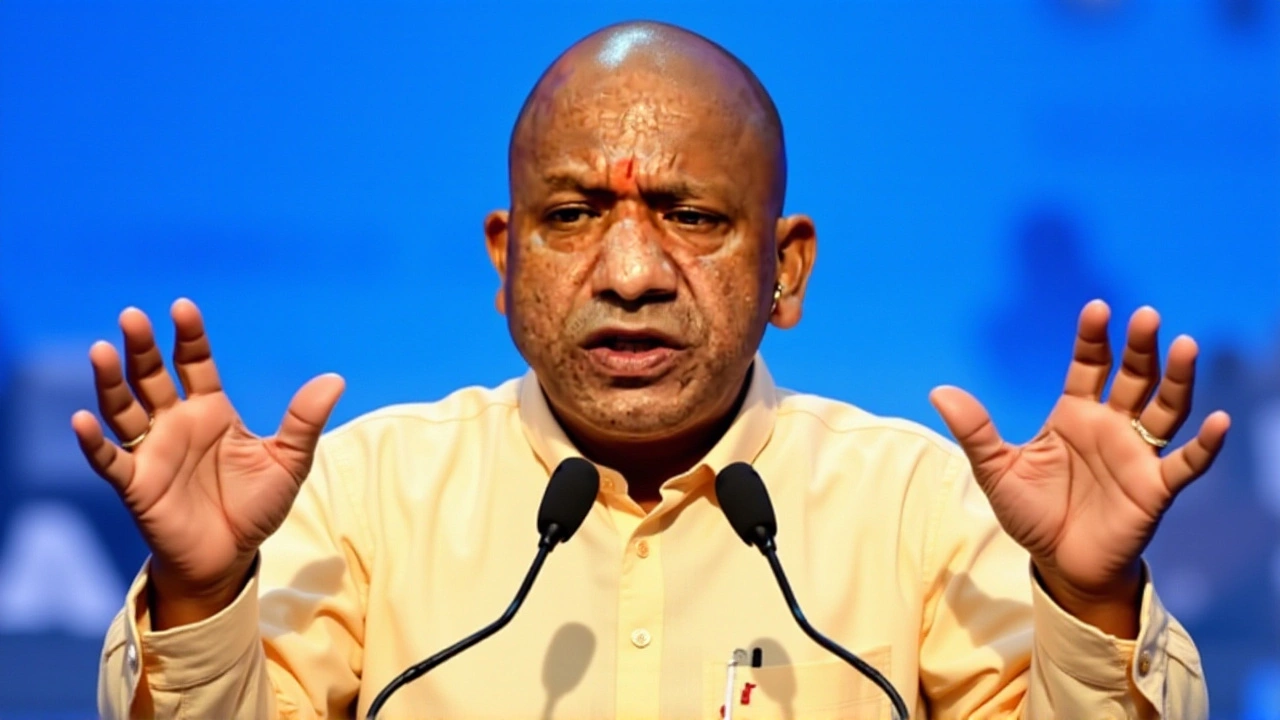
When Yogi Adityanath, Chief Minister of Uttar Pradesh Government, hinted at a radical overhaul of the state's working model last week, it caught bureaucrats and private sector leaders off guard. The signal? A potential new work-from-home (WFH) policy designed to tackle two pressing issues: shifting workplace culture and, more urgently, severe energy challenges.
Here’s the thing—this isn’t just about letting employees stay home for comfort. Reports from local Hindi news outlets like TV100 suggest the move is a strategic response to power grid strains. With summer peaks looming and industrial demand soaring, the government is looking at ways to reduce office-based electricity consumption without halting administrative progress.
The Energy Angle: Why Now?
Turns out, the timing is no coincidence. Uttar Pradesh has been grappling with intermittent power supply issues in recent months, particularly in urban centers like Lucknow and Kanpur. While official statistics on megawatt shortages remain vague in early reports, the correlation between peak heatwaves and load-shedding complaints is well-documented.
The logic is simple but bold: if half the civil service works remotely during peak afternoon hours, the strain on commercial cooling systems drops significantly. It’s a classic demand-side management strategy, similar to measures seen in California during droughts or India’s own pandemic-era shifts. But applying it proactively, rather than reactively, marks a distinct shift in policy thinking.
What We Know So Far
Details are still emerging. Media personalities like Syed Suhail have highlighted the announcement as a "major change," but concrete guidelines haven't been published yet. There’s no official Government Order (GO) number circulating, nor a specific start date confirmed by the cabinet.
- Target Audience: Likely state government employees initially, though private sector adoption may follow.
- Primary Driver: Energy conservation amidst rising temperatures and infrastructure stress.
- Status: Proposed/Signaled; not yet fully implemented or codified into law.
- Key Stakeholders: Chief Minister’s Office, Power Department, and Civil Services Association.
Interestingly, the lack of immediate specifics suggests this might be a pilot phase. Governments often test waters with broad announcements before rolling out detailed rules. This approach allows them to gauge public reaction and logistical feasibility without committing to rigid frameworks prematurely.
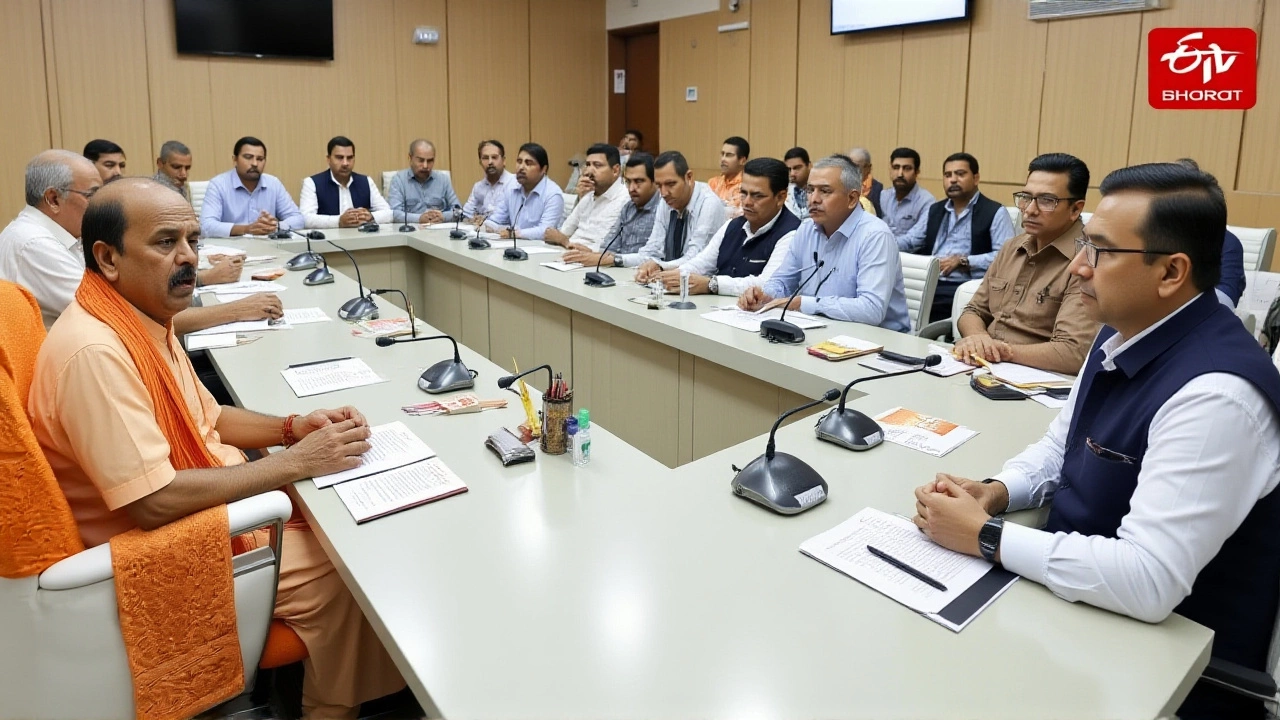
Reactions and Expert Views
The initial response has been mixed. Some digital-native startups in Noida welcome the flexibility, citing improved productivity metrics post-2020. However, traditionalists worry about accountability. How do you monitor performance when the boss isn’t in the same room? It’s a question that plagued companies during the pandemic and remains unresolved for many.
Energy experts point out that while reducing office loads helps, residential power usage will rise. If everyone runs their AC at home instead of the office, does the net gain hold up? The answer depends on grid efficiency and peak-hour distribution. Without smart metering data, it’s hard to quantify the exact savings. Still, decentralizing energy demand can ease pressure on transformer hubs, which is a non-trivial benefit.
Broader Implications for India
If Uttar Pradesh succeeds here, it could set a precedent for other Indian states facing similar infrastructural bottlenecks. Bihar, Madhya Pradesh, and Rajasthan all struggle with seasonal power deficits. A successful WFH-for-energy model could become a national template, especially as climate change intensifies heatwaves.
Moreover, this aligns with Prime Minister Narendra Modi’s broader push for digital governance and flexible work structures. By tagging content with #PMModi and #IndiaNews, media outlets are framing this within a larger narrative of modernizing India’s bureaucratic machinery. It’s not just about saving electricity; it’s about proving that India’s largest state can adapt its century-old administrative habits to 21st-century realities.

What’s Next?
Watch for an official notification from the General Administration Department in the coming weeks. Key indicators to track include:
- Specific departments included in the pilot.
- Hours designated for remote work.
- Infrastructure support provided (e.g., internet subsidies).
- Monitoring mechanisms for employee output.
Until then, the buzz continues. Social media feeds are flooded with speculation, ranging from enthusiastic endorsements to skeptical memes. One thing is certain: the days of rigid 9-to-5 office mandates in UP may be numbered.
Frequently Asked Questions
Is the WFH policy mandatory for all employees in Uttar Pradesh?
Not currently. As of now, the policy is only signaled by the government, with no mandatory enforcement order issued. It is expected to start as a voluntary or department-specific pilot program before any statewide mandate is considered.
Why is the government linking work-from-home to energy conservation?
The primary goal is to reduce peak-time electricity demand on commercial buildings, particularly air conditioning loads. By decentralizing workers to homes, the state aims to alleviate strain on the power grid during extreme weather conditions, preventing blackouts and ensuring stable supply for critical services.
Will private companies be required to adopt this model?
There is no indication that private companies will be legally forced to adopt this model. The initial focus appears to be on state government employees. However, private firms may voluntarily follow suit to save on operational costs and align with state-level sustainability goals.
When will the official guidelines be released?
No specific release date has been announced. Experts predict that formal guidelines, including eligibility criteria and implementation timelines, could emerge within the next few weeks as the government finalizes the framework with relevant departments.







Write a comment