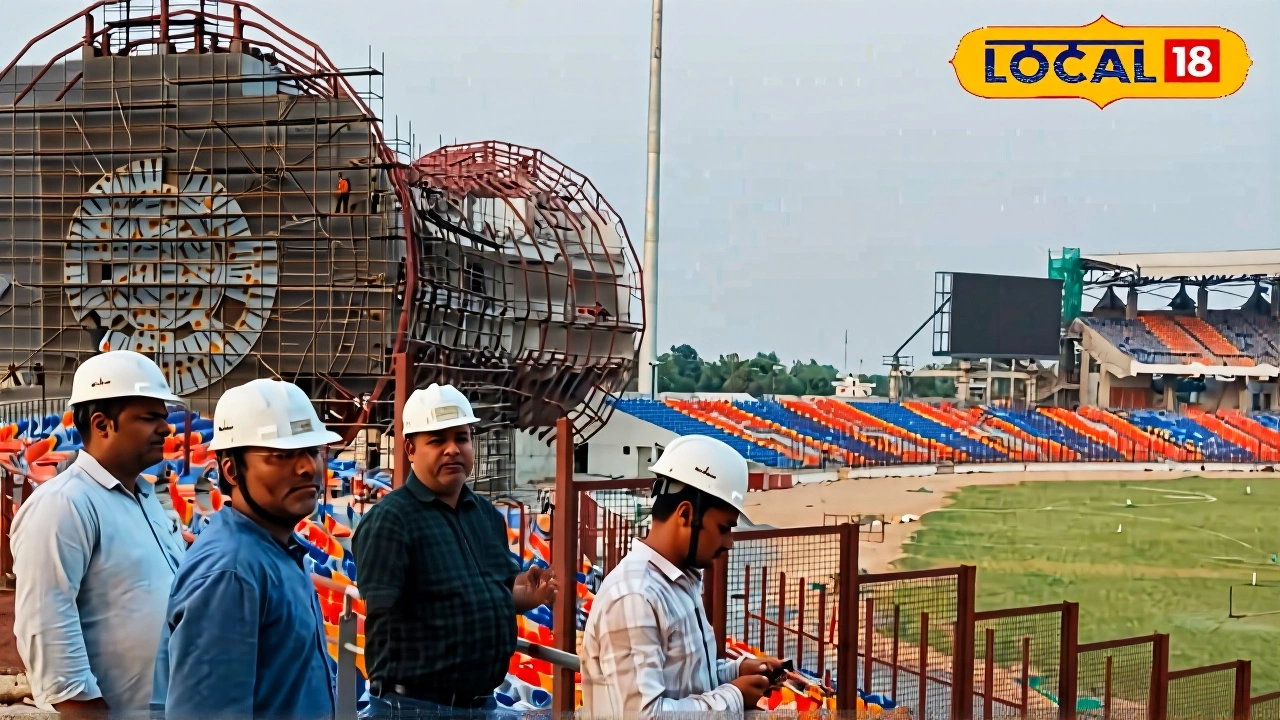
That viral claim about the new Varanasi International Cricket Stadium being able to resume play just 20 minutes after heavy rain? It’s completely baseless. There is zero evidence in any official report or credible news source to support this "high-tech" miracle.
The rumor has been circulating on social media, suggesting that advanced drainage systems allow matches to start almost immediately after a downpour. But here’s the thing: when you dig into the actual data, the story falls apart. Instead of stadium specs, what we’re actually seeing is a surge in severe weather alerts across India, particularly in Uttar Pradesh, where the stadium is located.
The Weather Reality vs. The Viral Myth
While the internet buzzes with claims of technological marvels, the ground reality is far more concerning. The India Meteorological Department (IMD) has issued serious warnings for widespread heavy rainfall, thunderstorms, and high-speed winds. We aren't talking about a light sprinkle that clears up in 20 minutes; we're looking at potential wind speeds of 80 to 90 kilometers per hour in parts of Bihar, Jharkhand, and eastern Uttar Pradesh.
On May 27, the IMD flagged 17 states for severe weather conditions. In the Delhi-NCR region and western Uttar Pradesh, authorities warned of gusts reaching 50-60 km/h accompanied by lightning and heavy rain late Friday night. By Saturday, May 30, temperatures were expected to hover around 35°C, but with a 95% probability of heavy thunderstorms in the afternoon and evening. That’s not ideal cricketing weather—it’s hazardous.
What the Data Actually Shows
Let’s look at the numbers, because they tell a very different story than the viral headlines. Private weather agency Skymet reported that nearly 20 states are under threat from strong winds, hail, and torrential rain. In some areas, wind speeds could hit 85 km/h. This isn’t just an inconvenience for players; it’s a safety risk for spectators.
Meanwhile, in northern regions like Himachal Pradesh, the contrast is stark. Shimla and Manali are bracing for snowfall, with temperatures dropping to -9°C in Manali. Meanwhile, in central India, the Devendra Tripathi, a prominent weather analyst, noted active low-pressure zones over Odisha and West Bengal, influencing rain patterns as far west as Mumbai and Pune. For Uttar Pradesh, the forecast isn't clear skies and quick-drying pitches; it's uncertainty and potential disruption.
- Wind Speeds: Up to 90 km/h in eastern UP and Bihar.
- Rain Probability: 95% chance of thunderstorms in NCR/UP on May 30.
- Temperature Swings: From -9°C in Manali to 41°C in Delhi.
- Air Quality: Delhi’s AQI hit 170 (Poor), with PM 2.5 levels at dangerous highs.
Why This Rumor Spread
So why did this specific claim take off? It likely stems from a mix of pride in India’s developing infrastructure and a misunderstanding of modern stadium capabilities. While new stadiums do have improved drainage compared to older venues, no current technology allows for a full pitch inspection, drying, and player readiness in just 20 minutes after significant rainfall. That’s simply not how physics or cricket regulations work.
The sources available only discuss meteorological data—temperature drops in Uttarakhand, heatwaves in MP, and air quality issues in Delhi. Not a single document mentions the Varanasi stadium’s technical specifications, let alone its ability to defy weather delays. The absence of evidence is, in itself, evidence of absence.
Impact on Cricket Schedules
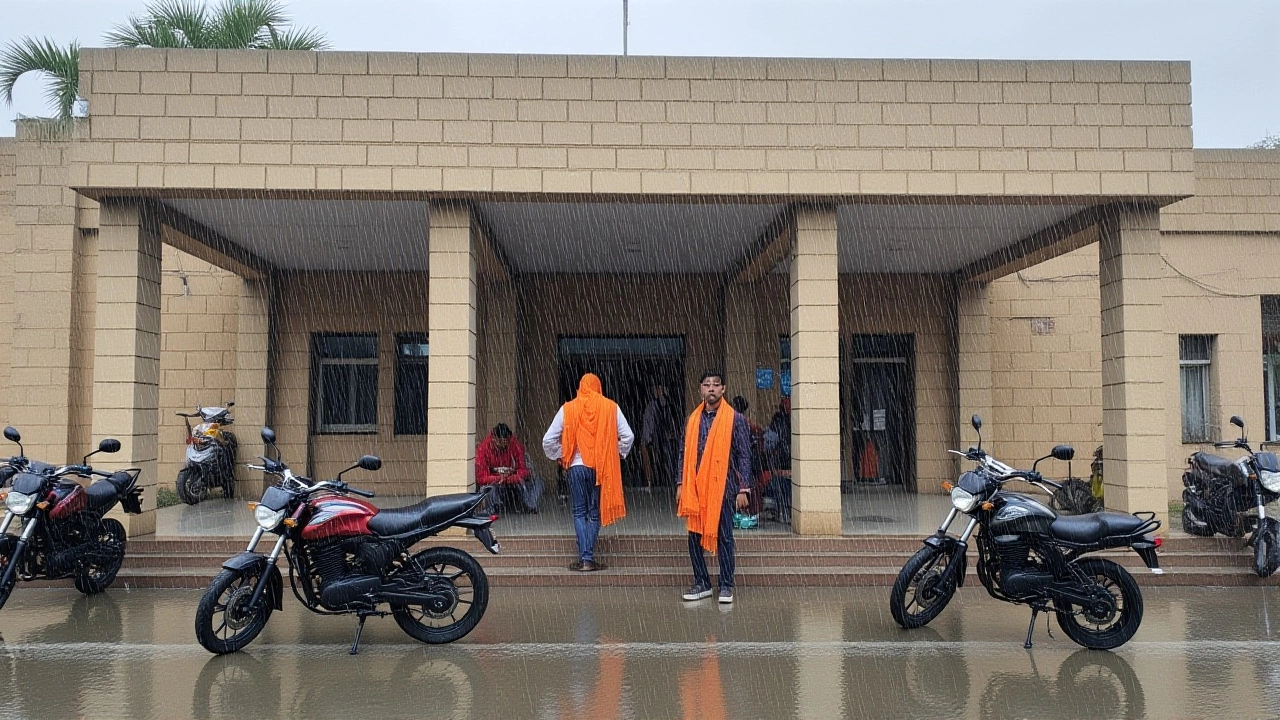
If matches are scheduled in Varanasi during this period, fans should expect delays, not miracles. The BCCI and local organizers will follow standard safety protocols. If the rain stops, grounds staff will need hours, not minutes, to ensure the pitch is safe for batting and bowling. A wet pitch can be slippery, affecting player safety and match integrity.
Moreover, the broader weather pattern suggests disruptions across the country. With monsoon-like conditions hitting southern India and cold waves in the north, travel and logistics for teams are already strained. Adding unreliable weather forecasts to the mix makes scheduling even more precarious.
Frequently Asked Questions
Is there any truth to the 20-minute rain delay claim?
No. There is no factual basis for this claim. Official reports from the India Meteorological Department and other credible sources do not mention any such capability for the Varanasi International Cricket Stadium. Standard cricket procedures require significantly more time to assess pitch safety after rain.
What is the actual weather forecast for Varanasi and UP?
The IMD has issued alerts for heavy rain, thunderstorms, and winds up to 90 km/h in parts of Uttar Pradesh and neighboring states. On May 30, there was a 95% probability of severe thunderstorms in the region, making outdoor sports events highly susceptible to delays or cancellations.
How does heavy rain affect cricket matches?
Heavy rain can waterlog the pitch, making it unsafe for players due to slip hazards. It also affects ball movement and visibility. Groundskeepers must wait for the surface to dry and conduct thorough inspections, which typically takes several hours, not minutes.
Are other Indian cities facing similar weather issues?
Yes. The weather disturbance is widespread. Delhi-NCR faced poor air quality (AQI 170) and heat, while northern hills like Manali saw snowfall. Southern states experienced peak monsoon rains. This indicates a volatile national weather pattern affecting multiple regions simultaneously.
Who issued the original warning about the weather?
The primary warnings came from the India Meteorological Department (IMD) and private agencies like Skymet. These organizations provided detailed forecasts regarding wind speed, temperature fluctuations, and precipitation probabilities, none of which supported the viral stadium claim.



Write a comment