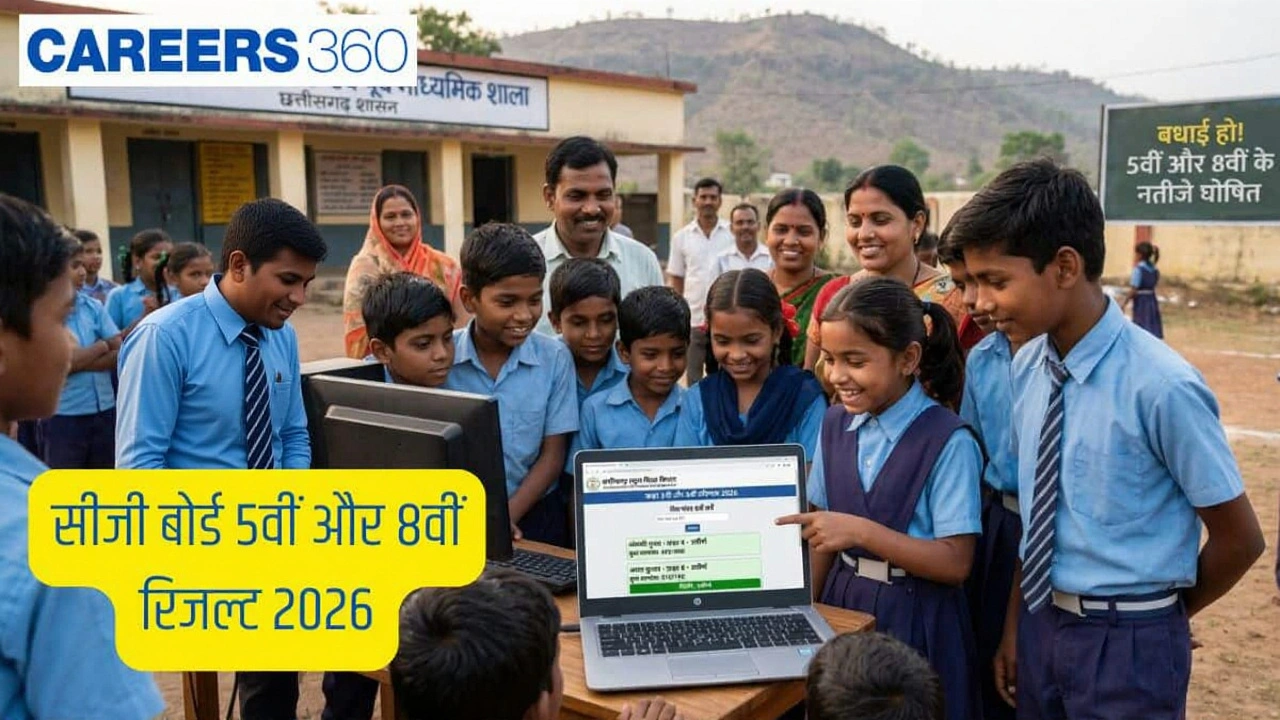
When Jharkhand State School Education Department announced the upgrade of 64 high schools in Jamtara district, it signaled a major shift for rural education in eastern India. The move transforms institutions that previously capped out at Class 10 into full-fledged Plus Two centers, offering Classes 11 and 12 locally. This isn't just bureaucratic reshuffling; it’s about keeping teenagers in their villages rather than forcing them into crowded hostels or distant towns.
The initiative aligns with the broader goals of the National Education Policy 2020, which emphasizes accessible, holistic learning structures. For years, students in Jamtara faced a harsh choice after finishing secondary school: drop out due to financial strain and safety concerns, or migrate to urban centers like Dumka or Giridih. Now, the state government is bridging that gap by upgrading infrastructure right where these kids live.
Why This Matters for Rural Students
Here’s the thing: distance kills ambition. In rural Jharkhand, the journey from a village home to a town-based intermediate college can be arduous, expensive, and unsafe—especially for girls. By converting 64 high schools into Plus Two institutions, the department aims to eliminate this barrier. Students will now complete their pre-university education within their own blocks, reducing dropout rates significantly.
Think of it like building a local library instead of expecting everyone to travel to the city center. It makes knowledge accessible. Reports indicate that this decision stems from a statewide strategy to upgrade all high schools currently operating only up to Class 10. Jamtara, carved out of Dumka district in recent years, has been identified as a priority zone due to its scattered geography and educational gaps.
The Implementation Timeline
The process moves fast. The department issued a directive demanding detailed reports from all districts within one week. These reports must outline infrastructure readiness, teacher availability, and resource allocation for the proposed upgrades. While specific dates for when classrooms will officially open for Classes 11 and 12 remain unclear, the urgency suggests implementation could begin in the upcoming academic session.
Administrators are tasked with assessing whether existing buildings have enough labs, libraries, and seating capacity. If not, rapid renovations or temporary solutions will likely follow. The lack of a publicized budget figure leaves some questions unanswered, but the political will appears strong.
Broader Impact on Jharkhand’s Education Landscape
This isn’t an isolated incident. Across Jharkhand, similar upgrades are being planned, reflecting a systemic effort to decentralize higher secondary education. Historically, states with rugged terrain and dispersed populations struggled to maintain quality schooling beyond primary levels. Jamtara’s inclusion highlights a targeted approach to equity.
Experts suggest that localized Plus Two centers can boost enrollment numbers by up to 30% in remote areas, based on trends seen in neighboring Bihar and Odisha. Moreover, keeping students in familiar environments reduces psychological stress and improves academic performance. Teachers also benefit, as they no longer face severe shortages in urban hubs while rural posts remain vacant.
What Comes Next?
Stakeholders are watching closely. Parents want assurance about curriculum continuity and examination standards. Educators await clarity on recruitment drives for specialized subjects like Physics, Chemistry, and Mathematics. Meanwhile, the state government must ensure that funding flows smoothly to avoid half-baked implementations.
If executed well, this model could serve as a blueprint for other underdeveloped regions in India. The key lies in sustained support—not just initial upgrades, but ongoing maintenance and teacher training. Let’s hope the bureaucracy delivers on its promise.
Frequently Asked Questions
Which schools in Jamtara are being upgraded?
A total of 64 high schools across Jamtara district have been selected for upgrade to Plus Two status. Specific names haven't been publicly listed yet, but they include institutions currently offering education only up to Class 10. Local authorities are finalizing the list based on infrastructure assessments.
How does this help rural students?
Students no longer need to travel long distances or relocate to cities for Classes 11 and 12. This reduces transportation costs, enhances safety (particularly for girls), and minimizes dropout rates caused by logistical challenges. Education becomes more inclusive and community-centered.
Is there a budget allocated for this project?
No specific financial figures have been released by the Jharkhand government yet. However, the one-week reporting deadline indicates active planning for resource distribution. Funds will likely cover infrastructure improvements, lab equipment, and potential teacher hires.
When will classes start in these new Plus Two centers?
Exact start dates aren't confirmed, but officials aim to launch programs in the next academic cycle pending report submissions. District administrations must submit readiness data within a week, after which timelines for staffing and facility upgrades will be determined.
Does this align with national policies?
Yes, the initiative supports the National Education Policy 2020, which advocates for flexible, accessible secondary education structures. Upgrading local schools fits NEP's goal of reducing urban migration for education and promoting equitable access across rural India.






Write a comment