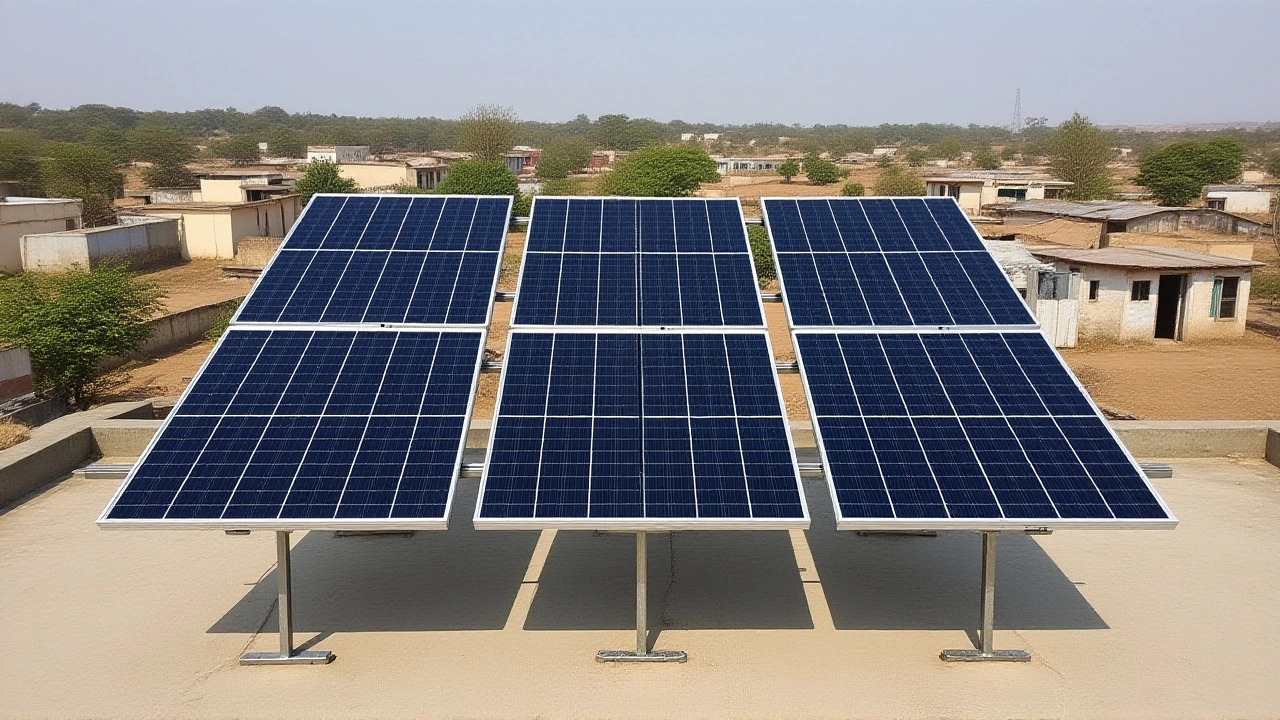
When Subhas Chandra Bose, the fiery freedom fighter known as Netaji, rallied troops in Singapore on July 5, 1943, he didn't just shout "Delhi Chalo"—he set a standard for leadership that echoes today. Now, decades later, his spirit is being invoked not for battle, but for a green revolution. The idea? That India's elected representatives should install solar panels on their official residences, turning their homes into beacons of sustainability to inspire the common citizen.
Here’s the thing: while specific government orders mandating this shift are still emerging from bureaucratic fog, the symbolic weight is undeniable. With rising electricity costs and climate anxiety gripping households across New Delhi and beyond, the pressure is on leaders to lead by example. If politicians can’t afford to go green, how can they expect taxpayers to follow suit?
The Symbolism Behind the Strategy
It’s not just about saving money. It’s about optics. In a country where trust in political institutions fluctuates, visible action matters. Installing solar arrays on bungalows used by Members of Parliament or state legislators sends a clear message: sustainability isn’t a luxury; it’s a responsibility.
Consider the precedent set during Parakram Divas New Delhi, commemorating Netaji’s birth anniversary. Speeches by figures like Sudhanshu Trivedi, Rajya Sabha MP of the Bharatiya Janata Party emphasized Bose’s legacy of self-reliance and bold governance. Trivedi highlighted how Bose established the Provisional Government of Free India in 1943 without swearing allegiance to colonial overlords—a stark contrast to later leaders who took oaths under British authority. This narrative of independent, principled leadership aligns perfectly with modern calls for ethical, environmentally conscious governance.
"Netaji didn’t wait for permission to act," Trivedi noted in a recent address. "He created structures when none existed. Today, we must create systems that serve future generations, not just current interests." While he didn’t explicitly mention solar panels, the subtext was clear: leadership requires proactive, transformative steps.
Why Solar Panels Matter Now
India faces a dual challenge: meeting soaring energy demand while reducing carbon emissions. According to the Ministry of New and Renewable Energy, the country aims to achieve 500 GW of non-fossil fuel capacity by 2030. Yet, residential adoption remains sluggish due to high upfront costs and lack of awareness.
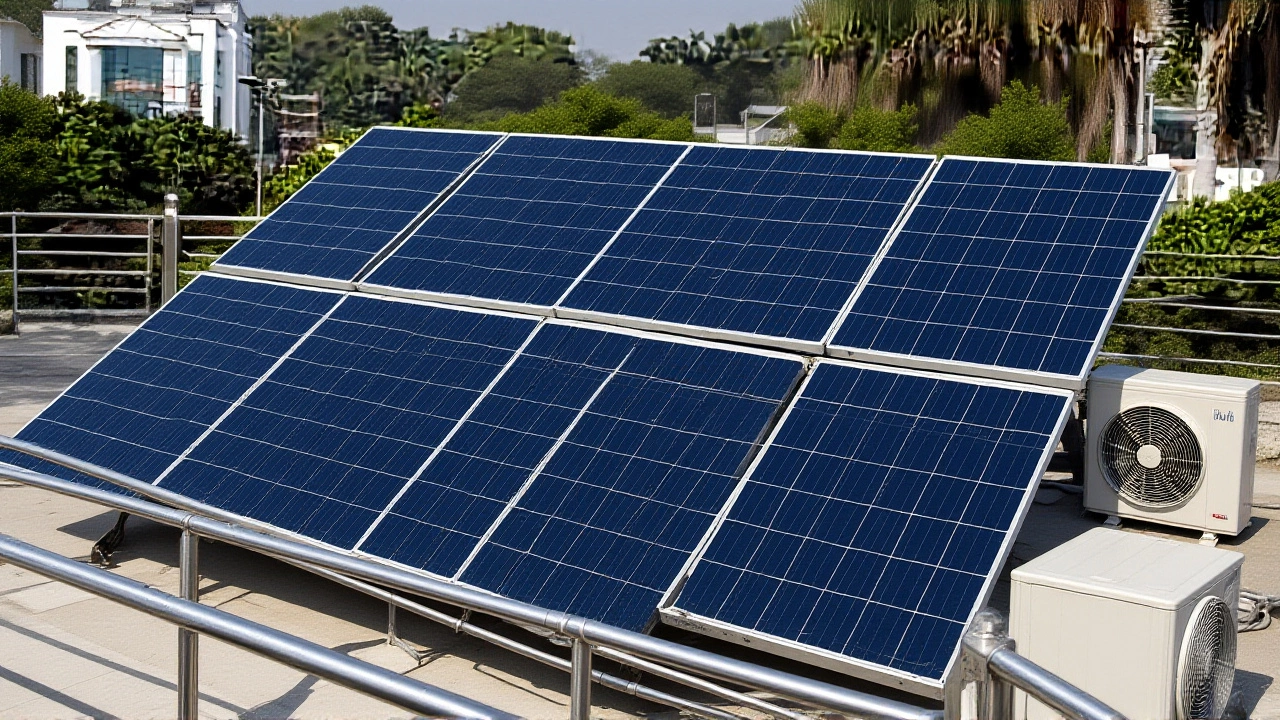
If government officials—who often occupy large, well-maintained properties—install solar infrastructure, it normalizes the technology. Imagine seeing rows of photovoltaic cells atop the residence of a Chief Minister or a Union Cabinet minister. That visual cue carries more weight than any pamphlet distributed door-to-door.
Moreover, these installations could generate surplus power fed back into the grid, offsetting public expenditure. A typical 5 kW system might save ₹3,000–₹4,000 monthly, depending on location and usage patterns. For a household consuming 800 units per month, that’s significant relief—and a tangible benefit worth showcasing.
Public Reaction and Political Implications
Citizens are watching closely. Social media buzz around potential solar mandates has been mixed. Some praise the initiative as long overdue; others suspect it’s mere performative politics. Critics argue that unless accompanied by subsidies for low-income families, such moves risk appearing elitist.
"If only the elite get solar benefits, what does that say about equity?" asked Priya Sharma, an environmental activist based in Lucknow, following reports of discussions at the Samvidhan Sammelan Lucknow. Held in Uttar Pradesh, the constitutional convention featured debates on civic duties and sustainable development—but no concrete policy announcements regarding politician-led solar initiatives emerged.
Still, the conversation itself is progress. Awareness grows through dialogue, even if policies lag behind rhetoric.
Historical Context and Future Outlook
Netaji’s life teaches us that change begins with conviction. He formed the Azad Hind Fauj (Indian National Army) despite overwhelming odds, proving that vision can overcome resource scarcity. Similarly, transitioning to renewable energy demands courage—not just financial investment, but cultural shift.
Looking ahead, several states may pilot programs requiring elected representatives to adopt solar solutions within their official accommodations. Rajasthan, Gujarat, and Tamil Nadu already lead in rooftop solar penetration, making them likely candidates for early implementation.
Experts suggest coupling mandatory installation with educational campaigns targeting schools and community centers. When children see their local MLA’s house powered by sunlight, they internalize the value of clean energy early on.
Frequently Asked Questions
Who exactly would be required to install solar panels?
Currently, there is no nationwide mandate, but proposals target elected officials including Members of Parliament, State Legislators, and senior ministers using government-provided residences. These individuals represent the public interest and thus bear greater responsibility for demonstrating sustainable practices.
How much will this cost taxpayers?
Initial estimates suggest minimal burden since many installations qualify for central subsidies under the PM-KUSUM scheme. Over time, reduced electricity bills will offset capital expenses. Additionally, excess generation can earn credits via net metering, potentially generating revenue rather than costing funds.
Is this connected to Netaji Subhas Chandra Bose directly?
Not formally, but symbolically yes. Advocates invoke his ethos of self-sufficiency and fearless innovation. Just as he built parallel institutions during colonial rule, today’s leaders are urged to build resilient, eco-friendly infrastructure independently of outdated models reliant on fossil fuels.
What happens if politicians refuse compliance?
At present, refusal carries no legal penalty since enforcement mechanisms haven’t been codified nationally. However, political consequences loom large—voters increasingly prioritize environmental stewardship. Refusal could damage reputations and electoral prospects, especially among younger demographics concerned about climate justice.
Are similar initiatives happening elsewhere globally?
Yes. Countries like Germany and Australia have implemented requirements for public buildings to incorporate renewable sources. In California, legislative campuses operate entirely on solar power. India stands poised to join this trend, leveraging its abundant sunshine and growing manufacturing base for solar components.






Write a comment